Vietnam’s digital economy is moving fast. Businesses are expanding their digital footprints, customers are transacting across more platforms than ever, and regulators are raising expectations around data protection and identity verification. Yet behind this growth, a quieter challenge persists: how do organizations reliably know who they are dealing with in a digital environment?
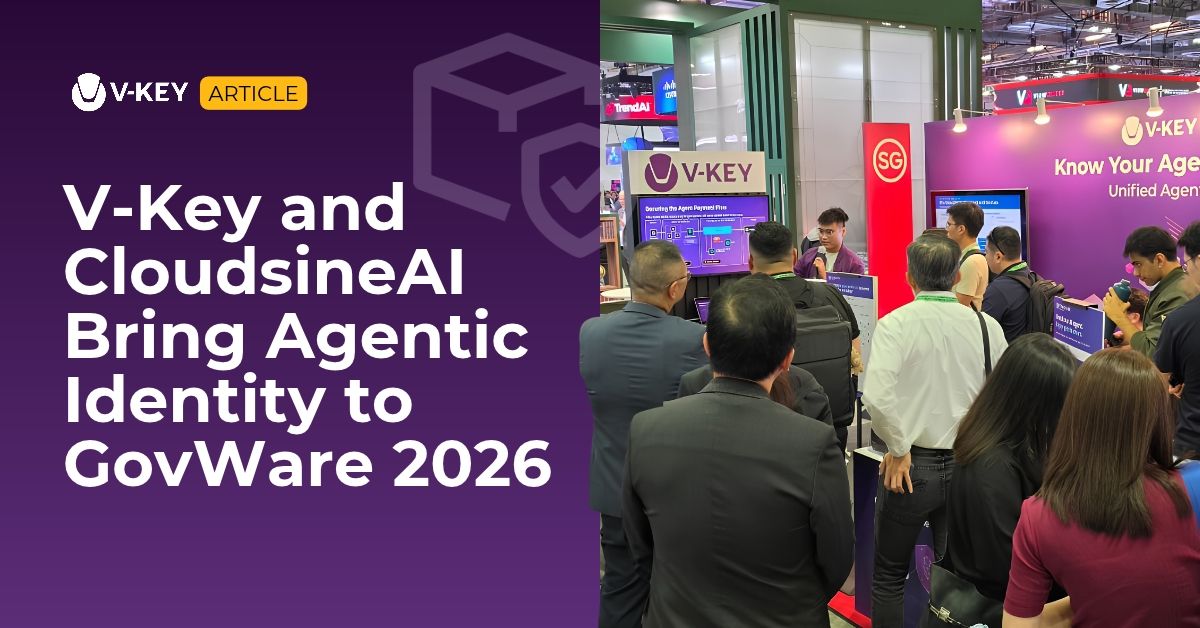
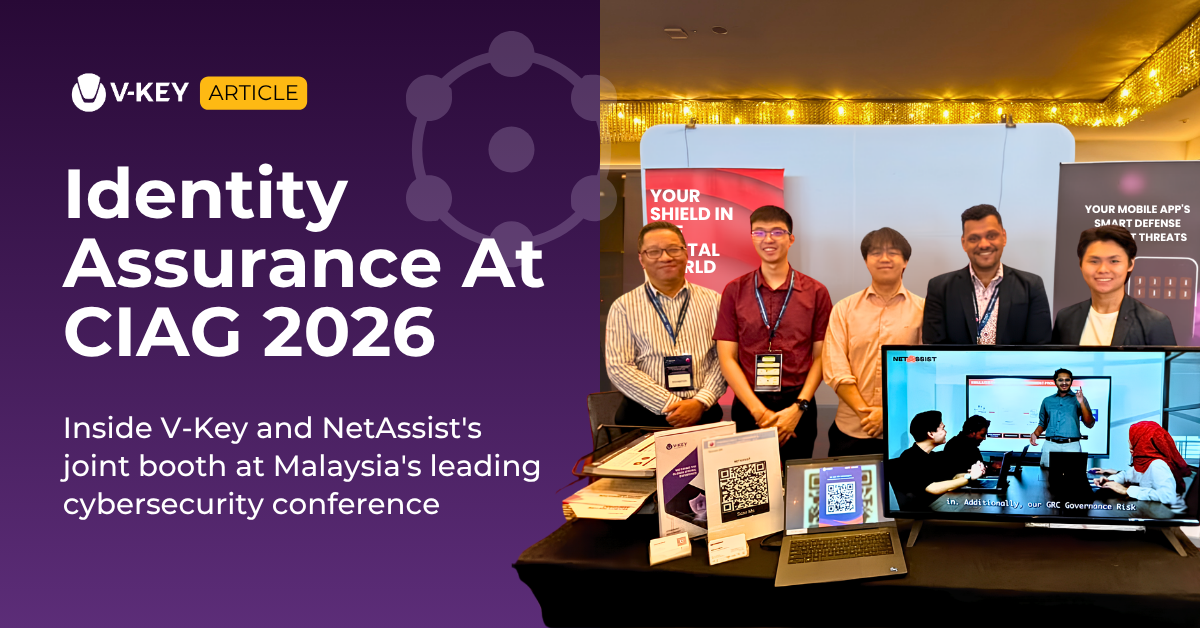
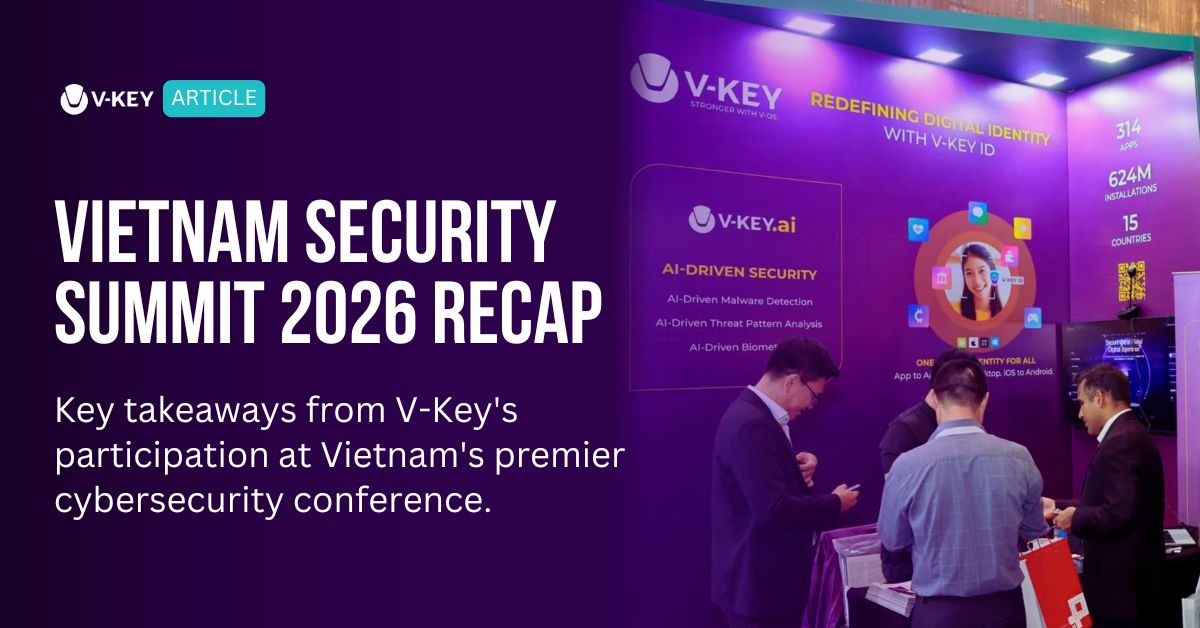
V-Key brought this question to the forefront at the 8th Vietnam Security Summit, held on 22 May 2026 at the JW Marriott Hotel Hanoi. As a Bronze Sponsor and exhibitor at Booth 29, V-Key joined over 40 technology companies at Vietnam’s largest cybersecurity conference and expo, where conversations spanned AI-driven threats, quantum readiness, and the future of digital infrastructure.
The Identity Gap in Digital Business
For many organizations, digital identity remains a fragmented problem. Users manage different credentials across different platforms. Businesses deploy multiple verification systems that don’t talk to each other. Onboarding processes that require physical document checks create friction that drives users away. As services go increasingly mobile, the gap between secure identity and seamless user experience widens.
This is precisely the problem V-Key ID was built to address.
V-Key ID is a universal digital identity solution that allows users to carry a single, verified identity across multiple applications and platforms. Rather than re-verifying users each time they access a new service, V-Key ID enables organizations to accept a trusted identity that has already been securely established, verified, and bound to the individual.
What Organizations Actually Gain
For enterprises in sectors like banking, financial services, and government, V-Key ID delivers a few concrete benefits worth understanding at a practical level.
First, onboarding becomes significantly faster. V-Key ID incorporates facial recognition, liveness detection, biometric cryptography, and OCR-based document verification into a single eKYC flow. What previously required manual review or multi-step verification can be completed within a secure, mobile-first experience.
Second, V-Key ID reduces the need for redundant verification infrastructure across business units or subsidiary platforms. Once a user’s identity is established and verified, that credential travels with them. Organizations operating multiple digital services no longer have to rebuild identity checks at every touchpoint.
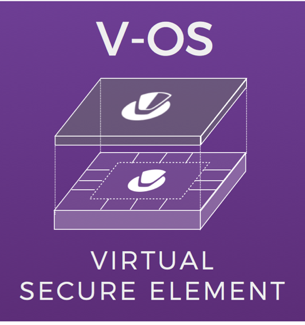
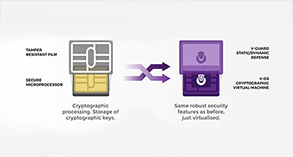
Third, the solution is built on V-OS, V-Key’s certified Virtual Secure Element, which meets Common Criteria EAL3+, FIPS 140-2, and SOC 2 standards. Identity data and cryptographic keys are stored within an isolated in-app environment, meaning sensitive credentials are protected even on a user’s personal device, without requiring dedicated hardware.
Why Vietnam, Why Now
The Vietnam Security Summit’s 2026 theme, “Securing Digital Future: Preparing for the Post-Quantum and AI World,” reflected a market that is actively grappling with the next phase of cybersecurity risk. Session tracks covering AI-driven identity threats, deepfake prevention, and quantum-safe authentication made clear that identity is no longer a peripheral concern. It sits at the center of how organizations manage trust.
Vietnam’s regulatory environment is also evolving. As compliance requirements around digital identity and data protection tighten, the cost of fragmented or under-secured identity systems grows. Organizations that establish a strong identity foundation now are better positioned to adapt as standards develop.
Conversations at Booth 29
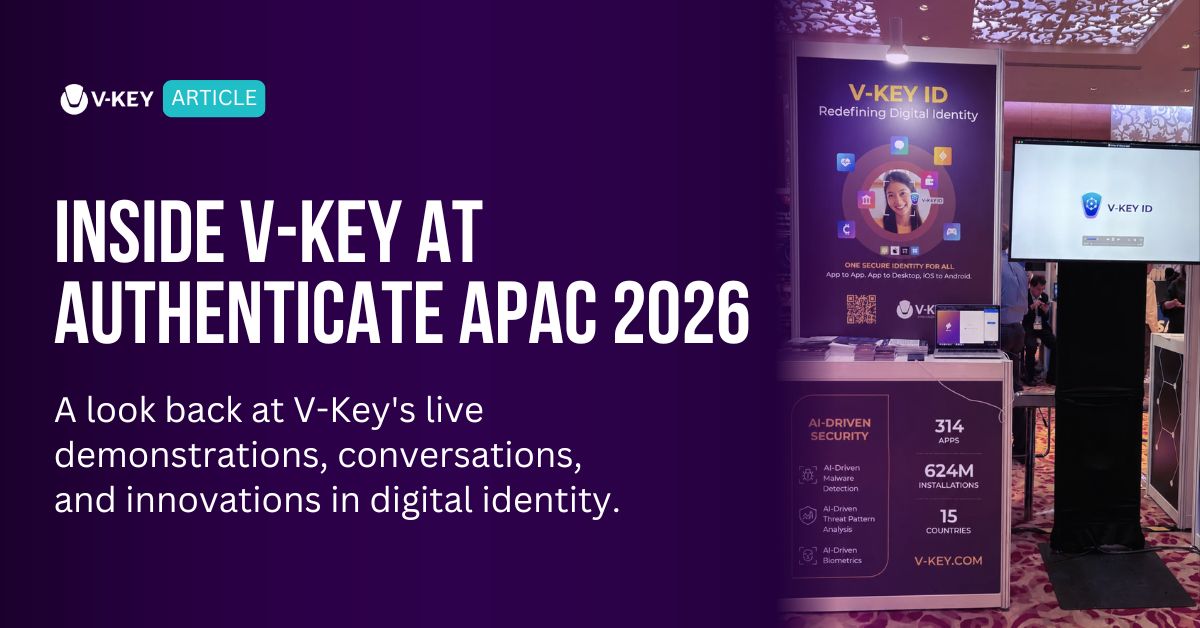
At the V-Key booth, visitors had the opportunity to see V-Key ID in action through a live demo. The demonstration walked through the end-to-end process: how a user’s identity is captured, verified, and secured, and how that verified identity can then be reused across platforms without re-verification. For attendees from banking and enterprise backgrounds, the demo offered a tangible look at how identity friction can be reduced without compromising security.
The summit reinforced what V-Key has observed across markets in Southeast Asia: organizations are ready to move beyond passwords and manual verification. The question is no longer whether to modernize identity, but how to do it in a way that is secure, scalable, and user-friendly.
V-Key ID offers one answer to that question, and Vietnam Security Summit 2026 was an opportunity to put it in front of the people building the region’s digital future.